
Cricket Uganda has officially adopted a new constitution and elected its first regional directors, marking a significant milestone in the organisation’s governance reforms and alignment with Uganda’s National Sports Act.
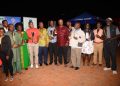
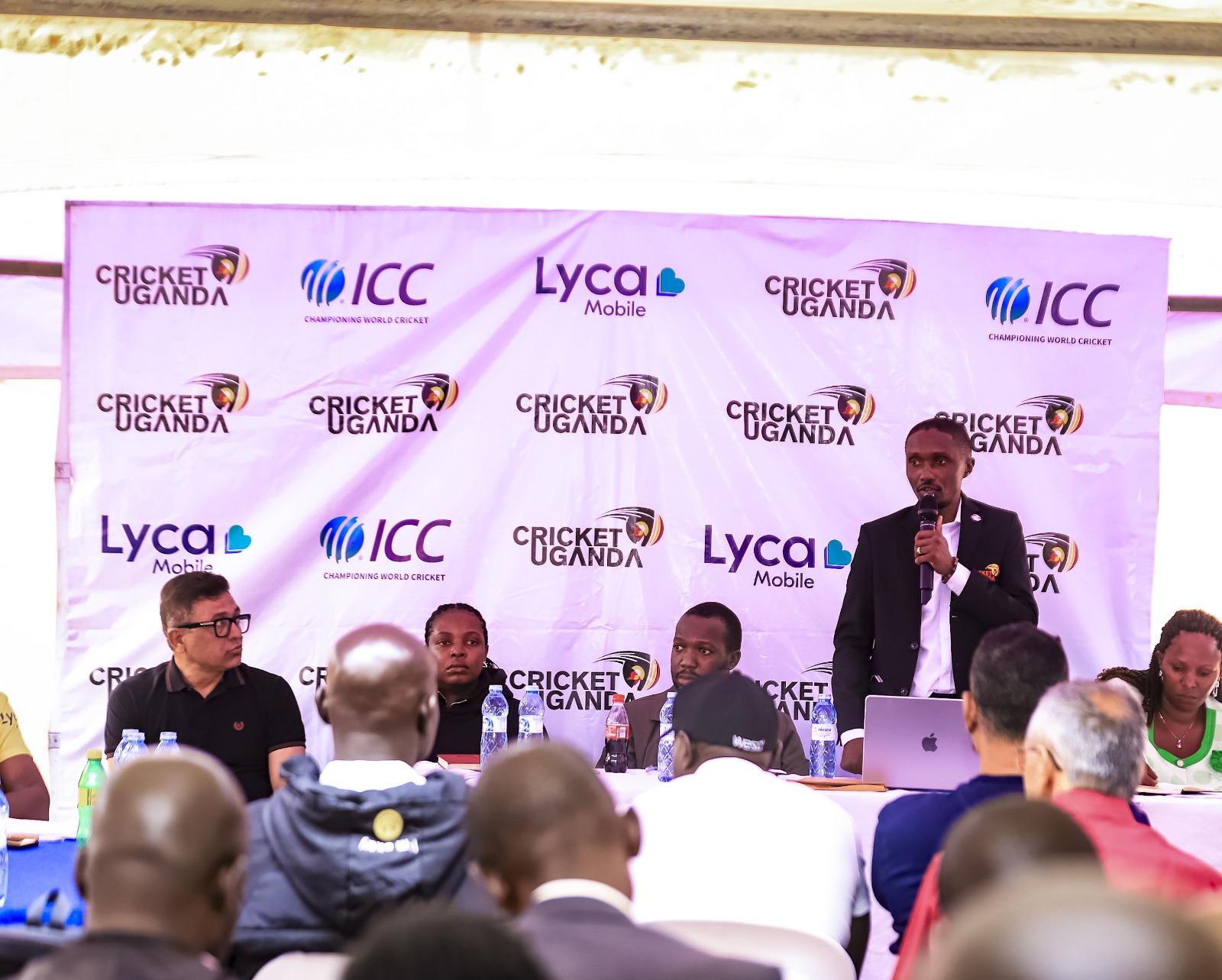
The landmark decisions were made during a Special General Meeting (SGM) held over the past weekend at the Uganda Olympic Committee (UOC) offices in Lugogo. The meeting, convened by Honorary Secretary Denis Musali, attracted more than 120 delegates representing district sports associations from across the country.
The session was supervised by National Council of Sports (NCS) official Sarah Chelangat, who commended the unprecedented nationwide representation and described it as a major step towards compliance with Uganda’s sports governance framework.
“A total of 120 people attended the special general meeting, which is really commendable. It has never happened for Cricket Uganda,” Chelangat said. “Previous general meetings were attended by only eight clubs, which was contrary to the law.”
Aligning with National Sports Law
The newly adopted constitution formally establishes Cricket Uganda as the country’s sole licensed national sports federation responsible for governing, developing and regulating cricket.
The reforms replace the previous governance structure of the Uganda Cricket Association in accordance with the National Sports Act, Cap. 151 (2023), and the National Sports Regulations, 2025.
Cricket Uganda President Jackson Kavuma said the constitutional changes were necessary to satisfy regulatory requirements and expand the sport’s national footprint.
“This exercise was geared towards ratifying our leadership as required by the National Council of Sports and addressing nationwide representation,” Kavuma said. “Cricket has for a long time been run by only eight member clubs, but today it has become a truly national sport.”
New Two-Tier Membership Structure
A key feature of the constitution is the introduction of a two-tier membership model aimed at balancing elite competition with grassroots development.
The first tier retains the eight founding full-member clubs, each represented by two voting delegates at the General Assembly.
The second tier establishes five Regional Cricket Associations—Central, Eastern, Northern, Western and Southern—to provide broader geographical representation and strengthen cricket administration across Uganda.
The regional structure is intended to ensure compliance with national legislation, which requires sports federations to demonstrate active participation across the country.
Chelangat welcomed the reforms, saying they place Cricket Uganda “on the right trajectory” towards full compliance with the Sports Act.
Governance Reforms
The constitution also introduces significant governance changes, including:
A streamlined Executive Board comprising a maximum of 15 voting directors.
Four-year electoral terms with a two-term limit.
Enhanced fiduciary responsibilities for board members.
Monthly board meetings.
Stronger conflict-of-interest provisions to promote transparency and accountability.
First Regional Directors Elected
Following the adoption of the constitution, the newly established Regional Cricket Associations elected representatives who subsequently voted for Cricket Uganda’s first Regional Directors to the Executive Board.
The inaugural Regional Directors are:
Marjorie Nankinga, representing the Western Region (Mityana District).
Allan Ssemakula, representing the Central Region (Luweero District).
Speaking after her election, Nankinga said the new regional leadership would focus on strengthening cricket development beyond the traditional urban centres.
“Our role is to ensure we support the game strategically at the regional level, including infrastructure, logistics and development programmes,” she said. “We want to identify challenges across the regions and work together to grow the game.”
Looking Ahead
While acknowledging that implementing the new regional structures will require additional resources and administrative capacity, Cricket Uganda believes the reforms provide a stronger foundation for nationwide growth.
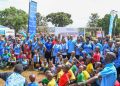
President Kavuma thanked delegates who travelled from districts including Kabale, Fort Portal, Maracha and Yumbe to participate in the historic meeting, describing their commitment as evidence of cricket’s expanding national reach.